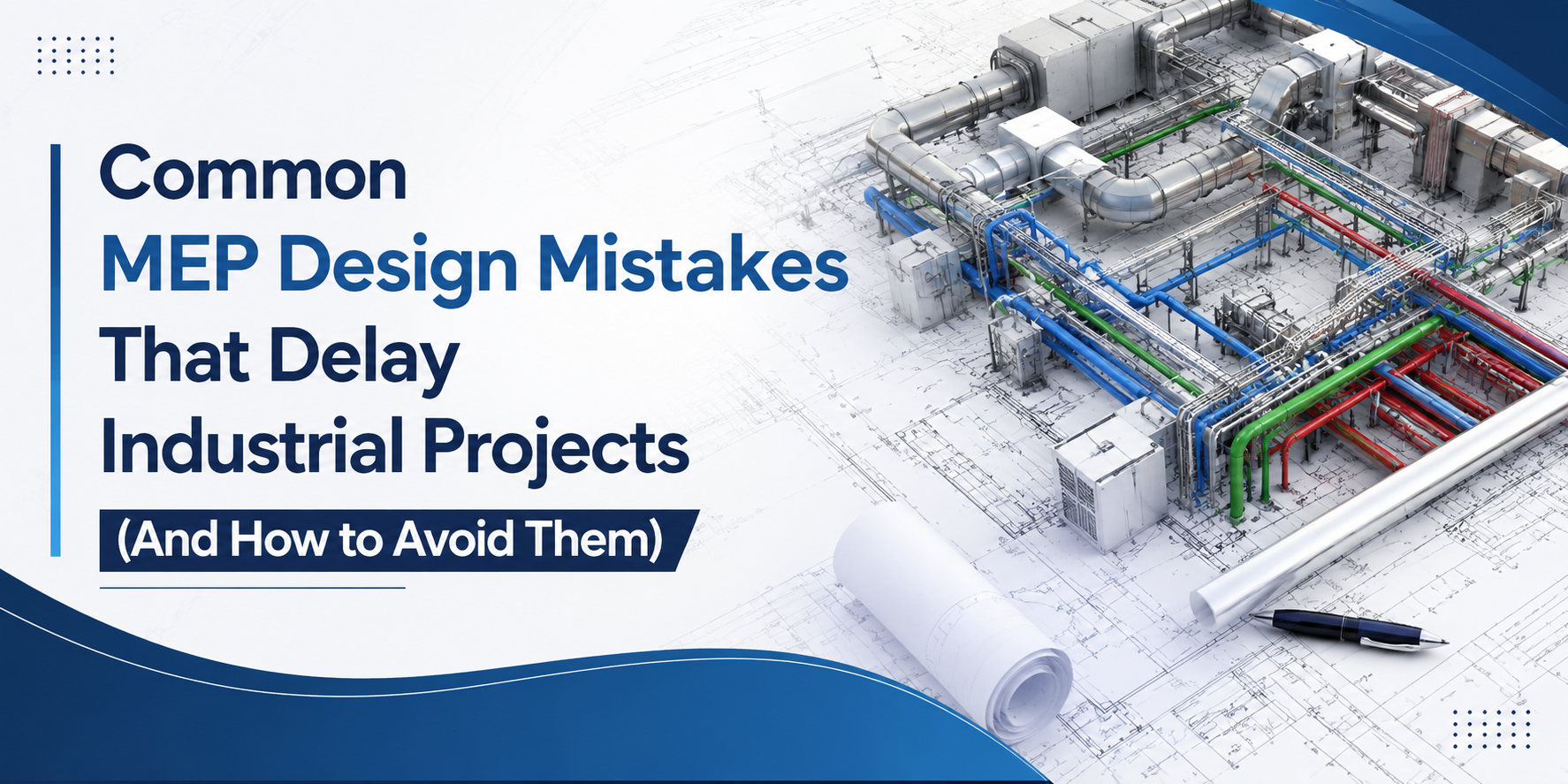
Industrial construction projects demand precision, coordination, and compliance from the very beginning. While architectural and structural planning often receive significant attention, Mechanical, Electrical, and Plumbing (MEP) systems are equally critical to project success.
That's why partnering with experienced MEP Design Consultants is essential for delivering industrial facilities on time and within budget. At PS Consultants & Associates, we specialize in integrated engineering solutions for pharmaceutical, biotech, FMCG, commercial, and industrial facilities. Our multidisciplinary approach ensures that MEP systems are designed efficiently, comply with industry standards, and integrate seamlessly with the overall project.
Why MEP Design Matters in Industrial Projects
Industrial buildings depend heavily on sophisticated MEP systems to maintain operational efficiency, safety, energy performance, and regulatory compliance. Proper MEP design helps:
- Improve operational reliability
- Minimize construction conflicts
- Reduce lifecycle costs
- Optimize energy consumption
- Ensure regulatory compliance
- Support future expansion
Without careful planning, MEP-related issues often become one of the biggest reasons for project delays.
10 MEP Design Mistakes to Watch For
Poor Coordination Between Disciplines
One of the most common mistakes is inadequate coordination between architectural, structural, and MEP teams. This often results in ducts conflicting with structural beams, pipe routing issues, electrical tray clashes, and equipment installation challenges.
How to avoid itExperienced MEP Design Consultants perform multidisciplinary coordination during the design stage, identifying potential clashes before construction begins. This significantly reduces costly on-site modifications.
Inaccurate Load Calculations
Improper electrical or HVAC load calculations can cause systems to be either oversized or undersized, leading to increased energy consumption, equipment failure, reduced system efficiency, and frequent operational interruptions.
How to avoid itAccurate engineering calculations based on current and future operational requirements ensure reliable system performance throughout the facility's lifecycle.
Ignoring Future Expansion Requirements
Many industrial facilities expand production within a few years. If future growth isn't considered during design, upgrades become expensive and disruptive.
Best practiceDesign MEP infrastructure with scalability in mind by planning spare electrical capacity, additional HVAC provisions, flexible piping layouts, and space for future equipment.
Non-Compliance with Industry Standards
Industrial facilities, especially pharmaceutical and biotech plants, must comply with multiple national and international regulations. Failure to comply can result in project approval delays, rework, increased costs, and safety risks.
SolutionProfessional MEP consultants ensure designs align with applicable codes, safety requirements, and industry regulations throughout the project lifecycle.
Inadequate Ventilation Design
Ventilation is critical in manufacturing environments where heat, dust, chemicals, or controlled conditions exist. Poor ventilation may lead to unsafe working conditions, product contamination, equipment overheating, and regulatory non-compliance.
SolutionProper HVAC planning ensures efficient airflow, temperature control, and indoor air quality.
Poor Equipment Placement
Incorrect positioning of mechanical or electrical equipment often creates maintenance difficulties, including limited service access, increased downtime, higher maintenance costs, and reduced equipment lifespan.
SolutionProfessional planning considers both installation and long-term maintenance accessibility.
Underestimating Electrical Infrastructure
Industrial operations often expand their electrical demand over time. Common mistakes include insufficient transformer capacity, inadequate panel sizing, and limited cable routing space.
SolutionProper electrical planning ensures uninterrupted operations and supports future production growth.
Lack of Energy Efficiency Planning
Energy costs represent a significant portion of industrial operating expenses. Without efficient MEP design, facilities experience higher utility bills, greater carbon emissions, and reduced sustainability performance.
SolutionModern MEP systems incorporate energy-efficient HVAC, LED lighting, smart controls, optimized pumping systems, and energy monitoring solutions.
Delayed MEP Involvement
Some projects engage MEP consultants only after architectural drawings are completed. This often creates design revisions, structural modifications, schedule delays, and increased project costs.
Best practiceInclude MEP consultants during the conceptual design phase to ensure coordinated planning from the beginning.
Choosing Cost Over Expertise
Selecting consultants solely based on the lowest price frequently results in poor documentation, frequent revisions, construction delays, and increased long-term costs.
SolutionExperienced MEP Design Consultants deliver value through accurate engineering, risk reduction, and optimized project execution.
Why Choose PS Consultants & Associates?
PS Consultants & Associates has been delivering integrated engineering and project management solutions across:
- Pharmaceutical Facilities
- API Plants
- Biotech Facilities
- FMCG Manufacturing Units
- Commercial Buildings
- Industrial Infrastructure
End-to-end mechanical, electrical, and plumbing design tailored to the operational demands of pharmaceutical, biotech, FMCG, and industrial facilities.
Coordinated oversight from concept through commissioning, keeping every discipline aligned and on schedule.
Identifying design and specification improvements that reduce cost without compromising performance or compliance.
Thorough assessments of existing MEP systems to uncover compliance gaps, inefficiencies, and upgrade priorities.
Single-point accountability for design, execution, and qualification, reducing coordination overhead for clients.
By combining technical expertise with industry-specific knowledge, we help clients minimize risks, improve efficiency, and deliver projects on schedule.
Conclusion
MEP design is one of the most critical aspects of any industrial construction project. Errors during the planning stage often translate into expensive delays during construction and operation.
Partnering with experienced MEP Design Consultants ensures accurate engineering, seamless coordination, regulatory compliance, and long-term operational efficiency.
Whether you're developing a pharmaceutical plant, manufacturing facility, commercial building, or industrial infrastructure, investing in professional MEP design is one of the smartest decisions for project success.